Beginning with The Future of Mental Health at Work: Implementing Effective Support Systems, the narrative unfolds in a compelling and distinctive manner, drawing readers into a story that promises to be both engaging and uniquely memorable.
Exploring the impact of mental health in the workplace and the importance of effective support systems sets the stage for a thought-provoking discussion ahead.
Importance of Mental Health Support Systems at Work
Mental health plays a crucial role in employee productivity and overall well-being in the workplace. When employees are struggling with mental health issues, it can significantly impact their performance, engagement, and ability to collaborate effectively with colleagues.
Impact on Employee Productivity
Mental health issues can lead to increased absenteeism and presenteeism, where employees are physically present but not fully productive.
High levels of stress, anxiety, or depression can hinder concentration, decision-making, and problem-solving skills.
Untreated mental health conditions can result in decreased motivation, creativity, and job satisfaction.
Benefits of Implementing Support Systems
Creating a supportive work environment can improve employee morale, loyalty, and retention rates.
Offering mental health resources and programs can reduce healthcare costs associated with untreated conditions.
Enhancing mental health support can lead to higher levels of employee engagement, productivity, and overall performance.
Successful Integration in Companies
Google provides on-site counseling services and mental health workshops for employees to address stress and burnout.
Target offers an Employee Assistance Program (EAP) that provides confidential counseling and resources for mental health issues.
Salesforce has a Chief Equality Officer who oversees mental health initiatives, including wellness programs and mental health days off.
Components of Effective Mental Health Support Systems
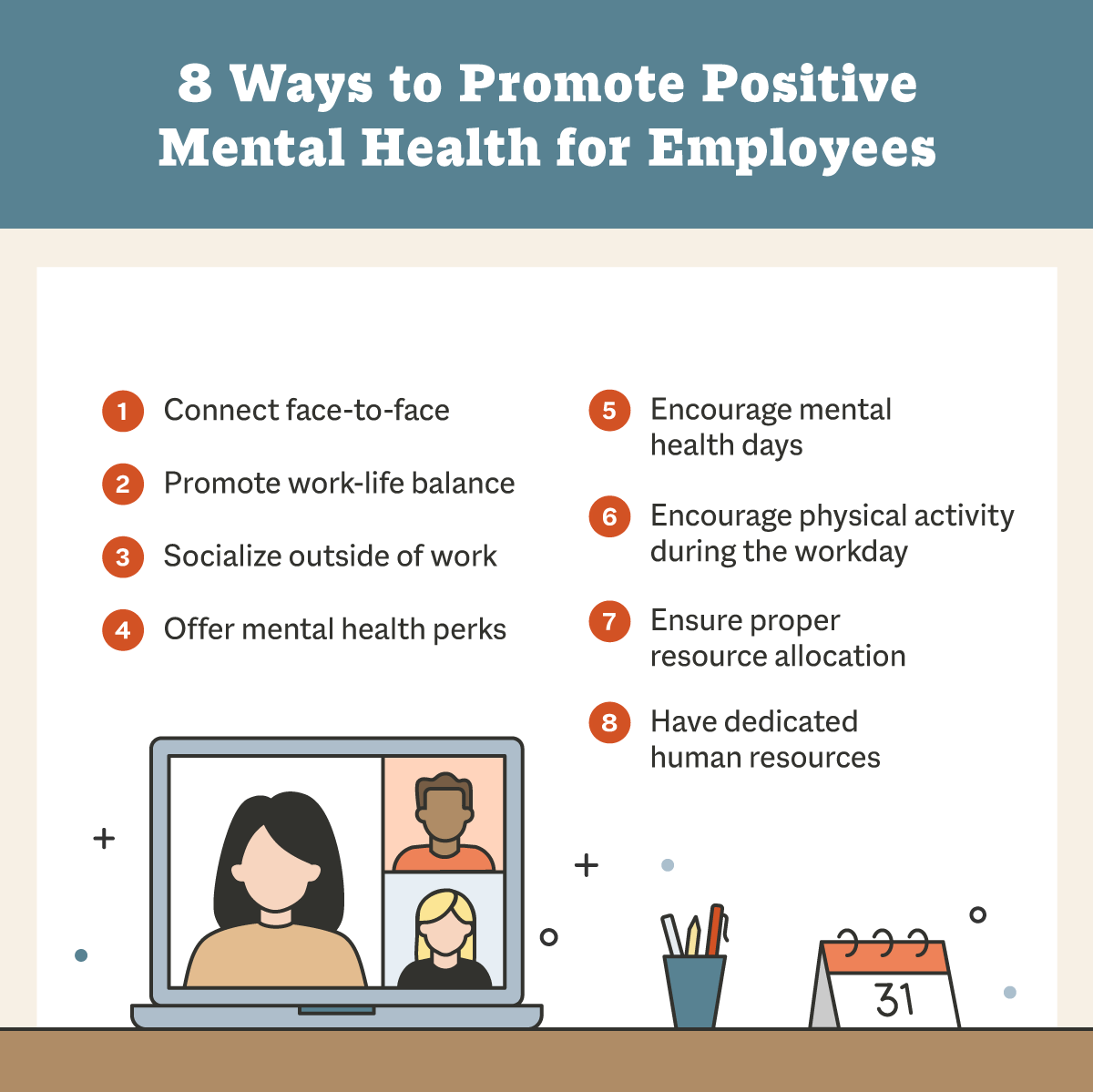
Creating an effective mental health support system in the workplace involves several key elements that are essential for promoting overall well-being and productivity among employees.
Key Elements of Comprehensive Mental Health Support Systems
- Access to Mental Health Resources: Providing easy access to mental health resources such as counseling services, support groups, and educational materials can empower employees to seek help when needed.
- Training and Education: Offering training programs to raise awareness about mental health issues, reduce stigma, and equip employees with the skills to support their colleagues effectively.
- Confidentiality and Privacy: Ensuring that all discussions related to mental health are kept confidential to create a safe space for employees to open up without fear of judgment or repercussions.
- Flexible Work Policies: Implementing flexible work arrangements, such as remote work options or flexible hours, can help employees manage their mental health while maintaining productivity.
- Regular Check-ins: Encouraging regular check-ins between managers and employees to discuss workload, stress levels, and overall well-being can help identify early signs of mental health issues.
Role of Leadership in Promoting Mental Health Awareness and Support
- Setting the Tone: Leaders play a crucial role in setting the tone for mental health discussions by openly discussing their own experiences, encouraging dialogue, and prioritizing employee well-being.
- Providing Support: Leaders should provide ongoing support to employees, offer resources for mental health assistance, and ensure that mental health is integrated into the company culture.
- Training and Awareness: Investing in leadership training on mental health awareness and best practices for supporting employees can help create a more inclusive and supportive work environment.
Strategies for Creating a Stigma-Free Environment
- Open Communication: Encouraging open and honest communication about mental health, promoting a culture of acceptance, and normalizing discussions around well-being.
- Educational Initiatives: Implementing educational initiatives, such as workshops, seminars, or awareness campaigns, to educate employees about mental health and reduce stigma.
- Lead by Example: Leaders can lead by example by sharing their own experiences, supporting mental health initiatives, and demonstrating the importance of prioritizing mental well-being.
Technology and Innovation in Mental Health Support
Technology plays a crucial role in providing mental health support to employees in the workplace. Leveraging innovative tech solutions can help enhance mental well-being and ensure a supportive environment for all
Impact of AI and Chatbots in Mental Health Support
Artificial Intelligence (AI) and chatbots have revolutionized the way mental health resources and assistance are offered to employees. These technologies can provide immediate support, resources, and guidance to individuals in need, reducing the stigma associated with seeking help.
- AI-powered chatbots can offer personalized recommendations for mental health resources based on an individual's needs and preferences.
- Chatbots can provide 24/7 support, allowing employees to access help whenever they need it, even outside of traditional working hours.
- AI algorithms can analyze patterns in behavior and communication to identify early warning signs of mental health issues, enabling proactive intervention.
Examples of Innovative Tech Solutions in Mental Health Support
Innovative tech solutions have been developed to enhance mental well-being in the workplace, addressing various aspects of mental health support.
- Virtual Reality (VR) therapy platforms can offer immersive experiences to help individuals manage stress, anxiety, and PTSD.
- Mental health apps with mood tracking features, meditation exercises, and cognitive behavioral therapy tools can empower employees to take control of their mental health.
- Online platforms connecting employees with licensed therapists for virtual counseling sessions provide convenient and confidential support.
Employee Training and Education on Mental Health
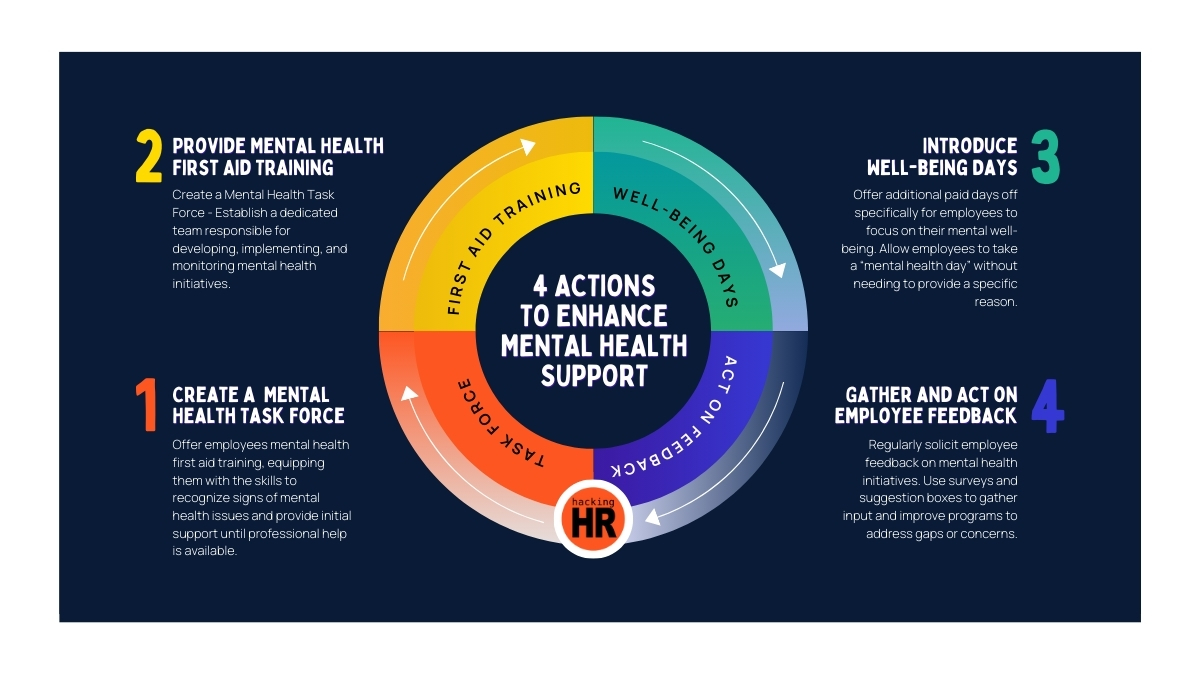
Employee training and education on mental health play a crucial role in creating a supportive and inclusive work environment. By providing employees with the necessary knowledge and skills to understand mental health issues, organizations can promote a culture of empathy, reduce stigma, and improve overall well-being.
The Importance of Educating Employees about Mental Health Issues
It is essential to educate employees about mental health issues to increase awareness, reduce stigma, and foster a supportive workplace culture. When employees are informed about common mental health conditions, they are better equipped to recognize signs and symptoms in themselves and their colleagues, leading to early intervention and support.
The Benefits of Providing Mental Health Training Programs
- Enhanced Employee Well-being: Mental health training programs can help employees develop coping strategies, resilience, and self-care techniques to manage stress and maintain mental wellness.
- Improved Productivity: By equipping employees with the knowledge and skills to prioritize mental health, organizations can reduce absenteeism, presenteeism, and turnover rates, leading to increased productivity and engagement.
- Effective Crisis Management: Training managers on how to support employees experiencing mental health challenges can facilitate early intervention, prevent crises, and ensure a prompt and appropriate response to mental health concerns.
Best Practices for Incorporating Mental Health Education
- Integrate Mental Health Modules: Embed mental health education into existing training sessions, such as onboarding, professional development, or wellness programs, to ensure consistent learning opportunities for all employees.
- Promote Open Dialogue: Encourage open discussions about mental health in the workplace, create safe spaces for sharing personal experiences, and provide resources for further information and support.
- Offer Continuous Support: Implement regular refresher courses, workshops, and resources to reinforce mental health education, update employees on new developments, and address emerging mental health challenges effectively.
Last Recap
In conclusion, The Future of Mental Health at Work: Implementing Effective Support Systems emphasizes the need for proactive measures and supportive environments to ensure the well-being of employees, ultimately leading to a healthier and more productive workforce.
FAQ
How does mental health impact employee productivity?
Mental health can significantly affect employee productivity through increased absenteeism, presenteeism, and decreased focus at work.
What are some examples of companies with successful mental health support programs?
Companies like Google, Microsoft, and Unilever are known for their effective mental health support initiatives.
How can technology be used to provide mental health support at work?
Technology can offer solutions like mental health apps, teletherapy services, and online resources for employees.