Personalized Nutrition: How DNA Testing is Changing the Wellness Industry sets the stage for this enthralling narrative, offering readers a glimpse into a story that is rich in detail and brimming with originality.
The topic delves into the concept of personalized nutrition, the role of DNA testing in shaping individualized plans, and the potential impact on the wellness industry.
Introduction to Personalized Nutrition
Personalized nutrition is a tailored approach to diet and wellness that takes into account an individual's unique genetic makeup, lifestyle, and health goals. This approach aims to provide customized nutrition plans that are specifically designed to meet the individual's needs based on their DNA results.Utilization of DNA Testing in Personalized Nutrition
DNA testing plays a crucial role in personalized nutrition by analyzing an individual's genetic markers related to metabolism, nutrient absorption, food sensitivities, and more. By understanding how certain genes impact one's response to different foods and nutrients, personalized nutritionists can create targeted diet plans to optimize health and well-being.- For example, genetic variations may influence how efficiently someone metabolizes carbohydrates, fats, or proteins. By identifying these variations through DNA testing, personalized nutrition plans can be adjusted to better support the individual's metabolism.
- Similarly, genetic predispositions to certain food sensitivities or intolerances can be identified through DNA analysis, allowing for the avoidance of trigger foods and the promotion of better digestion and overall gut health.
Benefits of Personalized Nutrition
Personalized nutrition offers a range of advantages over traditional one-size-fits-all approaches. By tailoring dietary recommendations to an individual's unique genetic makeup, lifestyle, and health goals, personalized nutrition can lead to improved health outcomes and overall well-being. Let's explore some of the key benefits of personalized nutrition and how it has positively impacted individuals.Improved Nutrient Absorption
- Personalized nutrition plans take into account an individual's genetic variations that may affect how their body processes and absorbs nutrients.
- By identifying specific nutrient needs based on genetic markers, individuals can optimize their nutrient intake and absorption, leading to better overall health and energy levels.
Weight Management
- Through personalized nutrition, individuals can receive tailored dietary recommendations that consider their metabolism, hunger hormones, and genetic predispositions to weight gain.
- By following a personalized nutrition plan, individuals have reported more effective weight management results compared to generic diet plans.
Improved Digestive Health
- Personalized nutrition can address digestive issues by identifying food sensitivities, intolerances, or genetic factors that may impact gut health.
- By eliminating trigger foods and incorporating gut-friendly nutrients, individuals have experienced relief from digestive symptoms and improved overall digestive wellness.
Enhanced Athletic Performance
- For athletes and active individuals, personalized nutrition can optimize nutrient timing, hydration needs, and recovery strategies based on genetic factors.
- By fine-tuning their nutrition plan to meet their specific performance goals, athletes have reported increased stamina, faster recovery times, and enhanced overall athletic performance.
DNA Testing Methods in Personalized Nutrition
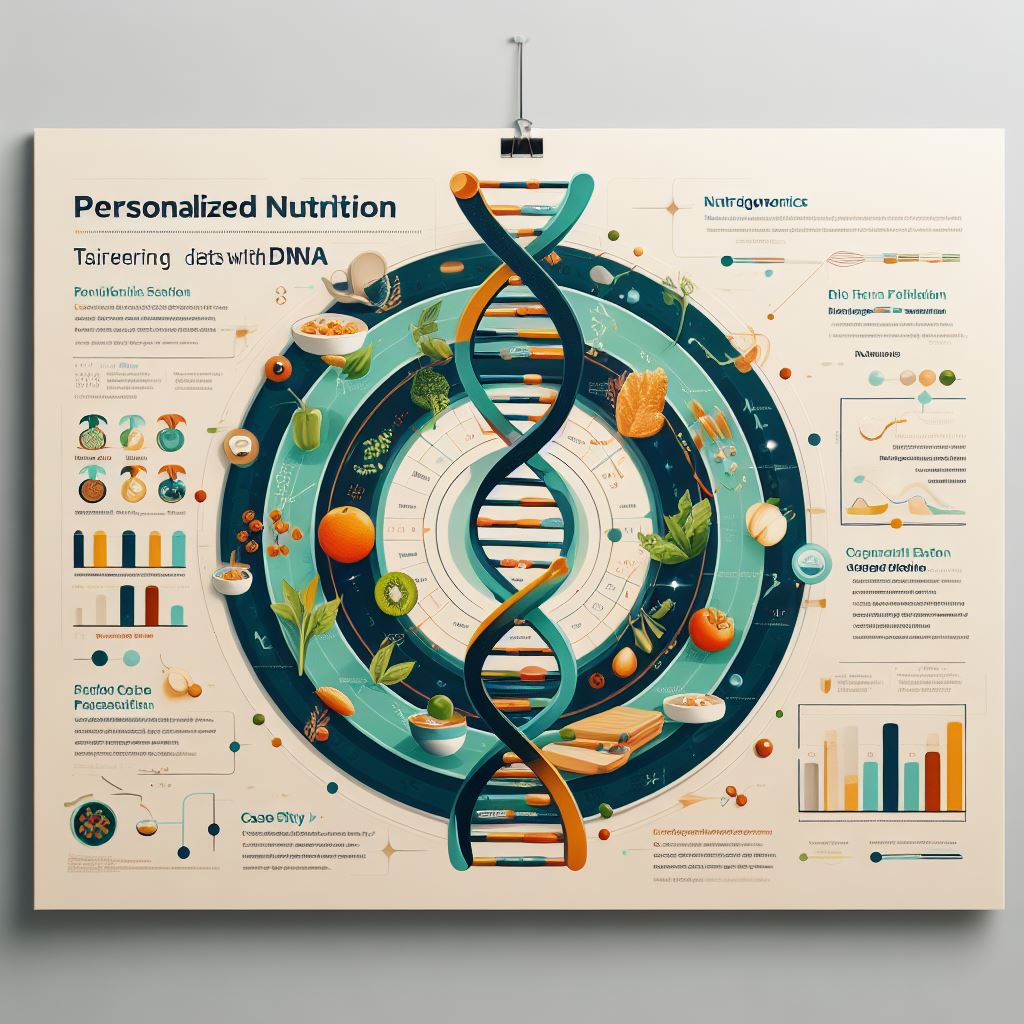 DNA testing plays a crucial role in personalized nutrition by providing valuable insights into an individual's genetic makeup. There are several DNA testing methods used in personalized nutrition, each with its own set of benefits and limitations. Let's explore some of the common DNA testing techniques and how they are utilized in creating personalized nutrition recommendations.
Whole Genome Sequencing
Whole genome sequencing is a comprehensive DNA testing method that decodes a person's entire genetic blueprint. This technique provides a wealth of information about an individual's genetic predispositions, including potential risks for certain health conditions and nutrient metabolism. While whole genome sequencing offers a deep dive into an individual's genetic profile, it can be costly and may not always be necessary for personalized nutrition assessments.Genotyping
Genotyping is a more targeted approach to DNA testing that focuses on specific genetic variations known as single nucleotide polymorphisms (SNPs). By analyzing key SNPs related to nutrient metabolism, inflammation, and other factors, genotyping can provide valuable insights into how an individual's body processes food and nutrients. This method is often more cost-effective than whole genome sequencing and can still offer meaningful information for creating personalized nutrition plans.Microbiome Testing
In addition to analyzing an individual's genetic predispositions, personalized nutrition may also involve microbiome testing. This technique examines the composition of bacteria in the gut, which plays a significant role in nutrient absorption and overall health. By understanding the balance of bacteria in the gut, healthcare professionals can tailor nutrition recommendations to support a healthy microbiome and optimize nutrient absorption.Challenges and Controversies in Personalized Nutrition
As personalized nutrition gains popularity, there are several challenges and controversies that need to be addressed to ensure its effectiveness and ethical implications.
Potential Challenges in Implementing Personalized Nutrition Programs
Implementing personalized nutrition programs faces various challenges, including:
- Cost: DNA testing and personalized nutrition programs can be costly, making it inaccessible to certain populations.
- Regulation: Lack of clear regulations and guidelines in the personalized nutrition industry can lead to inconsistencies and potential risks.
- Educational Barriers: Understanding genetic information and its implications for nutrition can be complex, requiring proper education and guidance.
- Data Privacy: The collection and use of genetic information raise concerns about data privacy and security.
Controversies Surrounding the Use of DNA Testing in Wellness and Nutrition
The use of DNA testing in wellness and nutrition has sparked controversies due to:
- Accuracy: Some critics argue that DNA testing for personalized nutrition may not always provide accurate or reliable results.
- Misinterpretation: There is a risk of misinterpreting genetic information, leading to incorrect dietary recommendations and potential harm.
- Overemphasis on Genetics: Focusing too much on genetic factors may overlook other important aspects of nutrition and wellness, such as lifestyle and environmental factors.
Ethical Concerns Related to the Commercialization of Genetic Information for Personalized Nutrition
The commercialization of genetic information for personalized nutrition raises ethical concerns, including:
- Data Ownership: Questions arise about who owns and controls genetic data collected for personalized nutrition purposes.
- Informed Consent: Ensuring individuals fully understand the implications of sharing their genetic information and consent to its use is crucial for ethical practices.
- Genetic Discrimination: There is a risk of genetic discrimination based on individuals' genetic profiles, impacting employment, insurance, and other areas.
Future Trends in Personalized Nutrition
Personalized nutrition is constantly evolving, and several emerging technologies are poised to further enhance the practices in this field. As we look towards the future, it is essential to consider how personalized nutrition may shape the wellness industry and impact individuals' health in the coming years.1. Artificial Intelligence and Machine Learning
Artificial intelligence (AI) and machine learning algorithms are expected to play a significant role in personalized nutrition. These technologies can analyze vast amounts of data, including genetic information, dietary habits, and lifestyle factors, to provide tailored recommendations for optimal health.
2. Gut Microbiome Analysis
Exploring the gut microbiome through advanced testing methods can offer valuable insights into an individual's digestive health and metabolism. Future trends may include personalized nutrition plans based on an individual's unique gut microbiota composition to improve overall well-being.
3. Wearable Devices and Health Trackers
With the increasing popularity of wearable devices and health trackers, personalized nutrition could integrate real-time data on physical activity, sleep patterns, and biometric measurements. This data can be utilized to adjust nutritional recommendations dynamically, ensuring personalized and timely interventions.
4. Nutrigenomics Advancements
Advancements in nutrigenomics, the study of how genes interact with nutrients, are expected to revolutionize personalized nutrition. By understanding how genetic variations influence nutrient metabolism, experts can tailor dietary plans to individuals based on their genetic makeup.
5. Personalized Food Delivery Services
As personalized nutrition becomes more mainstream, we may see the rise of personalized food delivery services that offer customized meals tailored to an individual's nutritional needs and preferences. This convenience factor could further boost adherence to personalized nutrition plans.
Final Review
In conclusion, the discussion on Personalized Nutrition: How DNA Testing is Changing the Wellness Industry sheds light on the evolving landscape of wellness practices, emphasizing the importance of tailored approaches for optimal health outcomes.
Questions Often Asked
What is personalized nutrition?
Personalized nutrition involves creating tailored dietary plans based on an individual's unique genetic makeup and other factors.
How does DNA testing influence personalized nutrition?
DNA testing provides insights into genetic predispositions that can help in customizing nutrition plans for optimal health benefits.
Are there any controversies surrounding personalized nutrition?
Controversies may arise regarding the ethical use of genetic information and concerns about the commercialization of personalized nutrition services.