Telemedicine has revolutionized the way healthcare is delivered, allowing individuals to access specialized care from any corner of the globe. This article delves into the advancements in telemedicine, highlighting its impact on healthcare accessibility and convenience.
As we explore the various facets of telemedicine innovations, we uncover a world where healthcare knows no boundaries, offering a glimpse into a future where quality medical expertise is just a click away.
Overview of Telemedicine Innovations
Telemedicine is a rapidly evolving field that allows patients to access medical care remotely, using technology such as video conferencing and mobile apps. This innovative approach to healthcare has transformed the way patients receive specialized care, regardless of their location.Evolution of Telemedicine
Telemedicine has evolved from basic telephone consultations to sophisticated virtual platforms that enable real-time interactions between patients and healthcare providers. This transformation has been driven by advancements in technology and a growing demand for convenient and accessible healthcare services.Specialized Care Accessible Through Telemedicine
Telemedicine offers access to a wide range of specialized care, including mental health counseling, dermatology consultations, and chronic disease management. Patients can consult with specialists in various fields without the need to travel long distances, saving time and money.Benefits of Telemedicine
- Convenience: Patients can receive medical advice and treatment from the comfort of their homes, eliminating the need for travel and long wait times. - Accessibility: Telemedicine breaks down geographical barriers, allowing patients in remote areas to connect with healthcare providers and receive quality care. - Efficiency: Telemedicine appointments are often quicker and more efficient than traditional in-person visits, leading to improved patient outcomes.Global Popularity of Telemedicine
According to recent statistics, the use of telemedicine services has been steadily increasing worldwide. In 2020, the global telemedicine market was valued at over $45 billion, with projections indicating further growth in the coming years. This trend highlights the growing acceptance and adoption of telemedicine as a viable healthcare solution.Technologies Enabling Telemedicine
Telemedicine relies on a variety of technologies to facilitate remote consultations and monitoring, ensuring patients can access specialized care from anywhere in the world. These technologies play a crucial role in delivering healthcare services efficiently and effectively.Key Technologies in Telemedicine
- Video Conferencing: Video conferencing platforms allow healthcare providers to conduct virtual consultations with patients in real-time. This technology enables face-to-face interactions and visual assessments, enhancing the quality of care delivered remotely.
- Mobile Apps: Mobile applications provide a convenient way for patients to communicate with healthcare professionals, schedule appointments, access medical records, and receive remote monitoring and follow-up care.
- Wearables: Wearable devices such as fitness trackers and smartwatches can collect real-time health data, including vital signs, activity levels, and sleep patterns. This information can be transmitted to healthcare providers for continuous monitoring and early intervention.
Role of Artificial Intelligence and Machine Learning
Artificial intelligence (AI) and machine learning algorithms are increasingly being integrated into telemedicine platforms to enhance the quality and efficiency of healthcare services. These technologies can analyze large datasets, identify patterns, and make predictions to support clinical decision-making. For example, AI-powered tools can assist in diagnosing medical conditions, personalizing treatment plans, and predicting health outcomes based on individual patient data. By leveraging AI and machine learning, telemedicine providers can deliver more personalized, accurate, and timely care to patients, ultimately improving healthcare outcomes and access to specialized services.Accessing Specialized Care Anywhere
Telemedicine has revolutionized the way patients can access specialized care regardless of their geographical location. By leveraging technology, individuals in remote areas now have the opportunity to connect with healthcare providers and specialists from around the world.
Benefits of Telemedicine for Patients in Remote Areas
- Improved access to healthcare: Patients in rural or underserved areas can easily consult with specialists without the need to travel long distances.
- Timely diagnosis and treatment: Telemedicine allows for quicker access to specialized care, leading to faster diagnosis and treatment plans.
- Reduced healthcare costs: Patients can avoid the expenses associated with travel and accommodation when seeking specialized care.
Challenges and Limitations of Accessing Specialized Care through Telemedicine
- Lack of physical examination: Some medical conditions may require in-person assessments that cannot be fully conducted through telemedicine.
- Technological barriers: Patients in remote areas may face challenges with internet connectivity or access to the necessary devices for telemedicine consultations.
- Legal and regulatory issues: Telemedicine services are subject to varying regulations across different regions, which can impact the delivery of specialized care.
Telemedicine Innovations in Different Medical Fields
Telemedicine has brought about groundbreaking innovations in various medical fields, allowing patients to access specialized care from anywhere in the world. Let's explore some of the key advancements and success stories in telemedicine across different specialties.
Mental Health
Telemedicine has revolutionized mental health care by providing remote counseling and therapy sessions. Patients can now receive support and treatment for conditions like anxiety, depression, and PTSD through virtual platforms, enhancing accessibility and convenience.
Dermatology
Virtual consultations have made dermatological care more accessible, enabling patients to seek advice on skin conditions, rashes, and other issues from the comfort of their homes. Dermatologists can diagnose and prescribe treatments remotely, improving efficiency and patient satisfaction.
Cardiology
Telecardiology services have allowed patients with heart conditions to receive timely evaluations and monitoring from cardiologists through remote consultations and wearable devices. This innovation has significantly improved the management of cardiovascular diseases and reduced the need for in-person visits.
Success Stories
One notable success story is that of a patient living in a remote area with limited access to specialized care. Through telemedicine, they were able to consult with a renowned specialist in their condition, receive a proper diagnosis, and initiate treatment without the need to travel long distances.
Future Potential
Looking ahead, telemedicine holds immense potential in transforming healthcare delivery by bridging gaps in access to specialized care, particularly in underserved communities. With ongoing advancements in technology and increasing acceptance of virtual care, the future of telemedicine is promising in improving patient outcomes and overall healthcare efficiency.
Final Thoughts
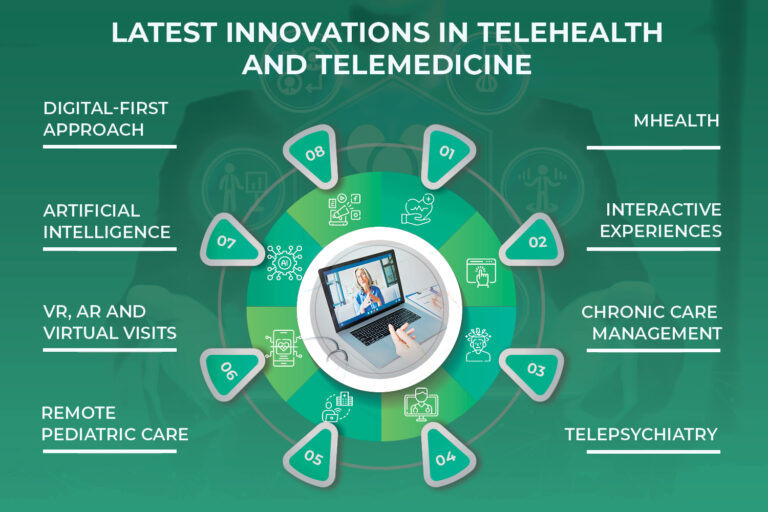
In conclusion, the realm of telemedicine innovations opens up a realm of possibilities for individuals seeking specialized care. With advancements in technology and a growing reliance on remote healthcare services, the future of medical consultations looks brighter and more accessible than ever before.
FAQ Insights
How can telemedicine benefit patients in remote areas?
Telemedicine allows patients in remote locations to access specialized care without the need to travel long distances, saving time and resources.
What are some key technologies used in telemedicine?
Key technologies in telemedicine include video conferencing, mobile apps, and wearables, which enable remote consultations and monitoring of patients.
What is the future potential of telemedicine in healthcare delivery?
Telemedicine has the potential to revolutionize healthcare delivery by providing efficient and accessible specialized care to individuals worldwide, transforming the way medical services are accessed.