Embarking on the journey of Wearable Health Tech: Using Data to Prevent Chronic Diseases Early, we delve into a realm where technology intertwines with healthcare to enhance our well-being. This captivating exploration promises insights into how data can be harnessed to detect and prevent chronic illnesses at an early stage.
Exploring the various wearable devices and their impact on proactive health management, this discussion aims to shed light on a crucial aspect of modern healthcare.
Introduction to Wearable Health Tech
Wearable health tech refers to devices that are worn on the body to monitor various health metrics and collect data in real-time. These devices play a significant role in revolutionizing healthcare by providing individuals with valuable insights into their health status and enabling early detection of potential health issues.
Significance of Wearable Health Tech
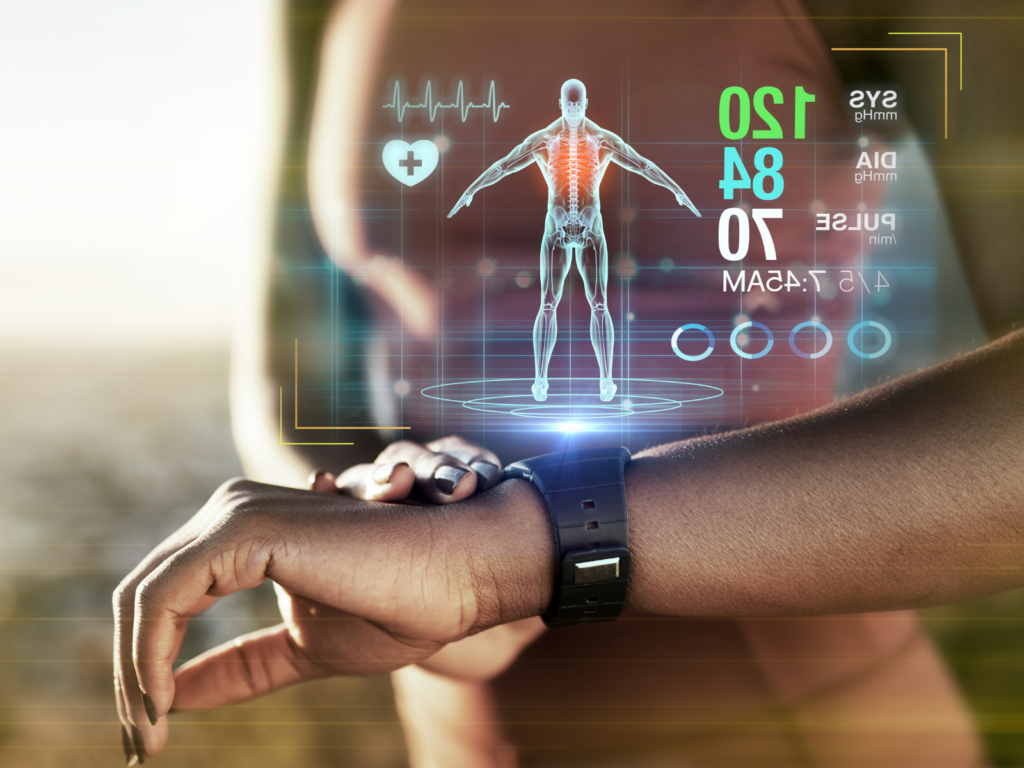
Wearable devices are equipped with sensors that track vital signs such as heart rate, blood pressure, sleep patterns, and physical activity. This continuous monitoring allows individuals to proactively manage their health by identifying any deviations from normal levels and taking necessary actions.
How Wearable Devices Collect Health Data
- Through sensors: Wearable devices use built-in sensors to measure various health parameters like heart rate, temperature, and activity levels.
- Wireless connectivity: Data collected by the sensors is transmitted wirelessly to a smartphone or computer for real-time analysis and storage.
- Data synchronization: Users can track their health data over time through apps that sync with the wearable device, providing a comprehensive view of their health trends.
Role of Wearable Health Tech in Early Disease Prevention
By continuously monitoring key health metrics, wearable devices can detect subtle changes that may indicate the early onset of chronic diseases such as diabetes, hypertension, or heart conditions. This early detection enables individuals to seek medical intervention promptly, potentially preventing the progression of these conditions to more severe stages.
Types of Wearable Health Tech Devices
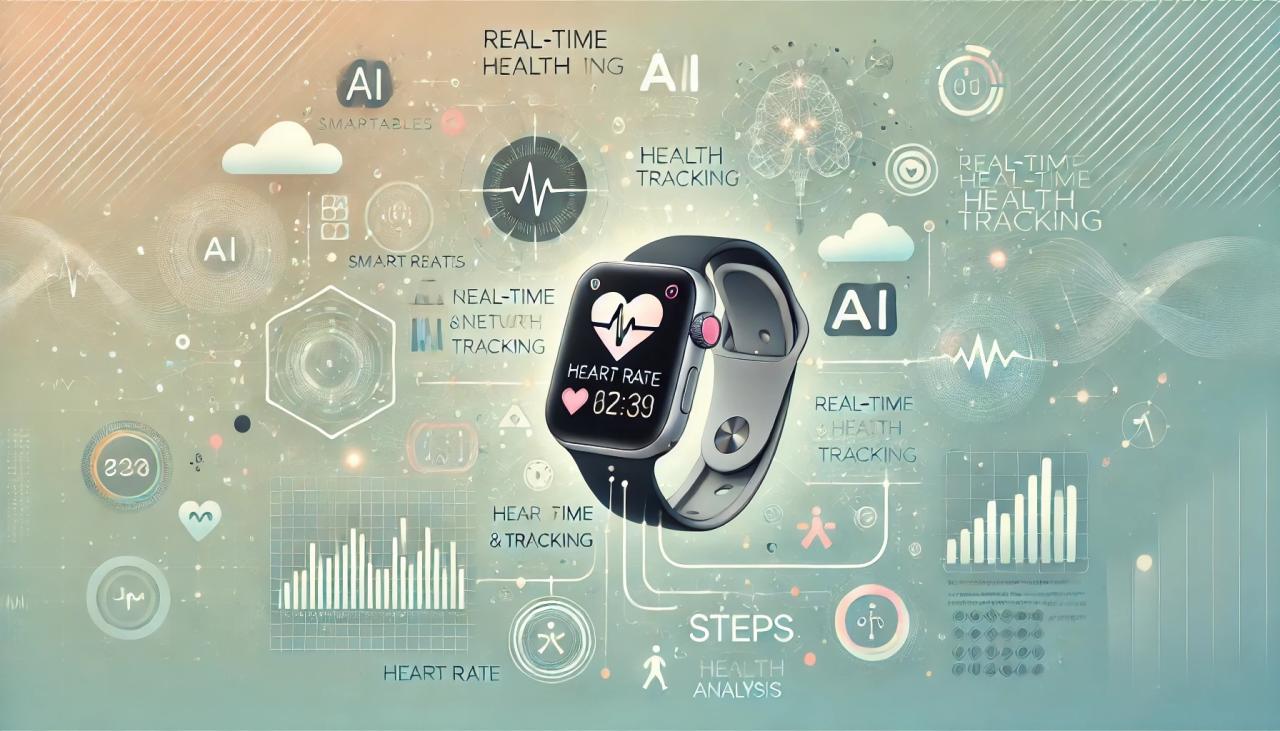 Wearable health tech devices have become increasingly popular in recent years, offering a wide range of features to help individuals monitor and improve their health. Here are some common types of wearable health tech devices and how they can be used to prevent chronic diseases early.
Fitness Trackers
Fitness trackers are one of the most popular types of wearable health tech devices. These devices typically monitor metrics such as steps taken, distance traveled, calories burned, and even heart rate. By keeping track of these metrics, users can ensure they are staying active and meeting their fitness goals. This can help prevent chronic diseases such as obesity, heart disease, and diabetes by promoting physical activity and healthy lifestyle choices.Smartwatches
Smartwatches have evolved to include health monitoring features such as heart rate tracking, sleep tracking, and even ECG capabilities. These devices can provide valuable insights into overall health and well-being, allowing users to detect irregularities early on. For example, abnormal heart rate patterns detected by a smartwatch can prompt users to seek medical attention and prevent potential heart issues.Medical Monitoring Devices
Medical monitoring devices, such as continuous glucose monitors for diabetics or wearable ECG monitors, offer advanced health tracking capabilities. These devices can provide real-time data on specific health metrics, allowing individuals to manage chronic conditions effectively. By using medical monitoring devices, individuals can proactively monitor their health and make informed decisions to prevent complications associated with chronic diseases.Benefits of Using Data from Wearable Health Tech
Wearable health tech devices offer numerous benefits when it comes to utilizing data for early disease prevention. By tracking various health metrics in real-time, these devices empower individuals to take charge of their well-being and make informed decisions about their health. Let's delve into the advantages of leveraging data from wearable health tech for proactive healthcare management.Improved Monitoring and Early Detection
One of the key benefits of wearable health tech is the continuous monitoring of vital signs and health parameters. This allows for the early detection of any deviations from normal ranges, enabling individuals to seek medical attention promptly. For example, wearable devices can track heart rate, blood pressure, and even sleep patterns, providing valuable insights into overall health status.
Personalized Health Insights
With the help of data collected by wearable health tech devices, individuals can gain personalized health insights tailored to their specific needs. By analyzing trends and patterns in the data, users can identify potential risk factors for chronic diseases and make lifestyle modifications accordingly. This personalized approach to health management can lead to better outcomes and improved overall well-being.
Encouragement of Healthy Behaviors
Wearable health tech promotes proactive healthcare management by encouraging users to adopt healthier behaviors. Through features like activity tracking, calorie counting, and goal setting, these devices motivate individuals to stay active, eat well, and prioritize self-care. By fostering a sense of accountability and empowerment, wearable health tech can help users establish sustainable habits that support long-term health.
Challenges and Limitations of Wearable Health Tech
Wearable health tech has revolutionized healthcare by providing valuable data for early detection and prevention of chronic diseases. However, there are several challenges and limitations that need to be addressed to maximize its effectiveness.
Data Accuracy
One of the major challenges of wearable health tech is ensuring the accuracy of the data collected. Factors such as device placement, calibration, and user error can lead to inaccurate readings. This can result in misleading information and potentially incorrect healthcare decisions. Improving sensor technology and data validation processes are crucial to enhancing data accuracy in wearable health tech devices.
Privacy Concerns
Another significant challenge is the issue of privacy concerns related to the collection and sharing of personal health data. Users may be hesitant to wear devices that continuously monitor their health due to fears of data breaches or unauthorized access. Implementing robust security measures, providing transparent data policies, and obtaining user consent are essential steps to address privacy concerns in wearable health tech.
User Adherence
Low user adherence is a common limitation in using wearable health tech for preventing chronic diseases early. Many users may start using these devices enthusiastically but lose interest over time, leading to inconsistent data collection. Educating users about the benefits of continuous monitoring, incorporating motivational features, and personalized feedback can help improve user adherence and engagement with wearable health tech.
Strategies to Overcome Challenges
To overcome these challenges and limitations, collaboration between healthcare providers, tech developers, and users is essential. Continuous research and development to enhance device accuracy, strict adherence to data privacy regulations, and personalized user engagement strategies are key to overcoming challenges and improving the effectiveness of wearable health tech in preventing chronic diseases early.
Future Trends in Wearable Health Tech
As technology continues to advance, the future of wearable health tech holds promising innovations that could revolutionize the way we prevent and manage chronic diseases.
Advancements in Data Analysis Algorithms
With the increasing amount of data collected from wearable health tech devices, there is a growing need for more sophisticated data analysis algorithms. Predictive analytics and machine learning algorithms will likely become more prevalent, enabling early detection of potential health issues based on subtle changes in biometric data.
Personalized Health Monitoring
- Wearable health tech is expected to evolve towards more personalized health monitoring, taking into account individual variations in health metrics and lifestyle factors. This could lead to tailored recommendations for diet, exercise, and medication based on real-time data.
Integration with Telemedicine
- Future wearable health tech devices may seamlessly integrate with telemedicine platforms, allowing for remote monitoring and consultations with healthcare providers. This could improve access to healthcare services, especially for individuals with chronic conditions.
Focus on Mental Health
- There is a growing recognition of the importance of mental health in overall well-being. Wearable health tech is expected to incorporate features for monitoring stress levels, sleep patterns, and other mental health indicators to provide a holistic approach to wellness.
Closing Summary
As we conclude our discourse on Wearable Health Tech: Using Data to Prevent Chronic Diseases Early, we reflect on the power of technology to revolutionize preventive healthcare. With a focus on early intervention and informed decision-making, wearable health tech emerges as a key player in shaping a healthier future for all.
Key Questions Answered
How accurate is the data collected by wearable health tech devices?
The accuracy of data collected by wearable devices varies based on the device and its sensors. Users should be aware of the limitations and potential discrepancies in data.
Are wearable health tech devices secure in terms of protecting user privacy?
Privacy concerns are valid, and users should review the privacy policies of wearable devices to understand how their data is handled. It's essential to choose reputable brands with strong privacy measures.
Can wearable health tech devices really help in preventing chronic diseases early?
While wearable devices can provide valuable data and insights, early prevention of chronic diseases also requires lifestyle changes, regular monitoring, and consultation with healthcare professionals.