Kicking off with The ROI of Corporate Wellness Programs: Reducing Healthcare Costs for SMEs, this opening paragraph is designed to captivate and engage the readers, setting the tone casual formal language style that unfolds with each word.
The content of the second paragraph that provides descriptive and clear information about the topic
Overview of Corporate Wellness Programs
Corporate wellness programs are initiatives implemented by companies to promote the overall health and well-being of their employees. These programs typically include activities such as fitness challenges, health screenings, mental health support, nutrition education, and stress management resources. By investing in corporate wellness programs, employers can benefit from reduced healthcare costs, increased productivity, improved employee morale, and decreased absenteeism. On the other hand, employees can enjoy a healthier work environment, better work-life balance, and access to resources that support their physical and mental well-being.Benefits of Corporate Wellness Programs
- Improved Employee Health: Corporate wellness programs encourage employees to adopt healthier lifestyles, leading to reduced risk of chronic diseases and improved overall well-being.
- Increased Productivity: Healthy employees are more productive, focused, and engaged at work, resulting in higher performance and efficiency.
- Cost Savings: By preventing illnesses and promoting preventive care, corporate wellness programs can help reduce healthcare costs for both employees and employers.
- Enhanced Employee Engagement: Wellness initiatives demonstrate that employers care about their employees' well-being, leading to higher job satisfaction and loyalty.
Impact of Corporate Wellness Programs on Healthcare Costs
Corporate wellness programs play a crucial role in reducing healthcare costs for small and medium-sized enterprises (SMEs) by promoting employee health and well-being. When employees are healthier, they are less likely to require medical attention, resulting in cost savings for the company.
Cost-Saving Measures from Implementing Wellness Programs
- Preventive Care Initiatives: Wellness programs often include preventive care measures such as health screenings, vaccinations, and regular check-ups. By detecting health issues early on, employees can receive timely treatment, preventing more serious and costly health problems down the line.
- Promotion of Healthy Lifestyle Choices: Encouraging employees to adopt healthier lifestyle habits like regular exercise, balanced nutrition, and stress management can lead to reduced risk of chronic diseases such as obesity, diabetes, and heart disease. This, in turn, lowers healthcare costs related to treating these conditions.
- Reduced Absenteeism and Increased Productivity: Employees who participate in wellness programs are more likely to have higher job satisfaction, lower stress levels, and better overall health. As a result, they are absent from work less frequently and are more productive when at work, ultimately saving the company money on lost productivity due to sick days.
- Healthcare Cost Negotiations: Some wellness programs offer discounts on health insurance premiums or negotiate lower rates with healthcare providers for services like consultations, lab tests, and medications. These cost-saving measures can significantly impact the overall healthcare expenses for SMEs.
Components of Effective Corporate Wellness Programs
Corporate wellness programs are designed to improve the overall health and well-being of employees, ultimately leading to reduced healthcare costs for SMEs. Let's explore the key components that make up a successful corporate wellness program and how each component contributes to achieving these goals.
Health Risk Assessments
Health risk assessments are a crucial component of corporate wellness programs as they help identify potential health risks and issues among employees. By conducting regular assessments, employers can proactively address health concerns and provide targeted interventions to improve employee health. This, in turn, leads to early detection of health issues, prevention of chronic diseases, and overall cost savings on healthcare expenses.
Physical Activity Initiatives
Encouraging physical activity through initiatives such as gym memberships, onsite fitness classes, or step challenges can significantly improve employee health. Regular exercise not only boosts physical health but also enhances mental well-being, reduces stress levels, and increases productivity. By promoting physical activity, corporate wellness programs can help reduce absenteeism, improve employee morale, and lower healthcare costs associated with sedentary lifestyles.
Nutrition Education and Support
Providing nutrition education and support is essential for maintaining a healthy workforce. Employees who have access to resources on healthy eating habits, meal planning, and nutritional counseling are more likely to make healthier choices. By promoting proper nutrition, corporate wellness programs can prevent obesity, reduce the risk of chronic diseases, and ultimately lower healthcare costs related to diet-related illnesses.
Mental Health Resources
Addressing mental health is a critical component of effective corporate wellness programs. Offering resources such as counseling services, stress management workshops, or mental health days can help employees cope with work-related stress and mental health issues. By prioritizing mental well-being, employers can reduce absenteeism, improve employee retention, and lower healthcare costs associated with mental health conditions.
Strategies for Implementing Corporate Wellness Programs in SMEs
Implementing cost-effective wellness programs in SMEs can be a challenge, but with the right strategies, it is definitely achievable. Tailoring wellness programs to suit the needs and budgets of employees is crucial for the success of these initiatives.Identifying Employee Needs and Preferences
- Conduct surveys or focus groups to gather feedback on what employees would like to see in a wellness program.
- Consider the demographics of your workforce to tailor programs that resonate with different age groups and interests.
- Offer a variety of wellness activities to cater to different preferences, such as fitness classes, mental health workshops, or nutritional counseling.
Utilizing Technology for Engagement
- Explore digital platforms or apps that can help employees track their progress and stay motivated.
- Consider gamification elements to make wellness activities fun and interactive.
- Use technology to provide remote access to wellness resources for employees working from home or in different locations.
Building Partnerships for Cost-Effective Solutions
- Collaborate with local gyms, wellness centers, or healthcare providers to offer discounted services to employees.
- Seek out community resources or non-profit organizations that can provide wellness workshops or activities at a lower cost.
- Negotiate group rates for wellness programs or services to make them more affordable for your SME.
Measuring the ROI of Corporate Wellness Programs
 To determine the success and effectiveness of corporate wellness programs, measuring the Return on Investment (ROI) is crucial. By analyzing different metrics and methods, SMEs can track the impact of wellness initiatives on healthcare costs and employee well-being.
Metrics and Methods for Measuring ROI
- Healthcare Cost Reduction: One of the primary metrics used to measure ROI is the reduction in healthcare costs. By comparing healthcare expenses before and after implementing wellness programs, SMEs can quantify the financial benefits.
- Employee Productivity: Tracking changes in employee productivity, such as reduced absenteeism and improved work performance, can also indicate the success of wellness programs. Increased productivity can lead to cost savings and higher ROI.
- Employee Engagement: Monitoring employee engagement levels can provide insights into the effectiveness of wellness initiatives. Higher engagement often correlates with better health outcomes and lower healthcare costs.
Examples of Tracking Wellness Program Impact
For example, SMEs can conduct surveys to gather feedback from employees on their health improvements and satisfaction with wellness initiatives. Additionally, analyzing healthcare claims data before and after implementing programs can reveal cost savings and ROI.
Case Studies and Success Stories
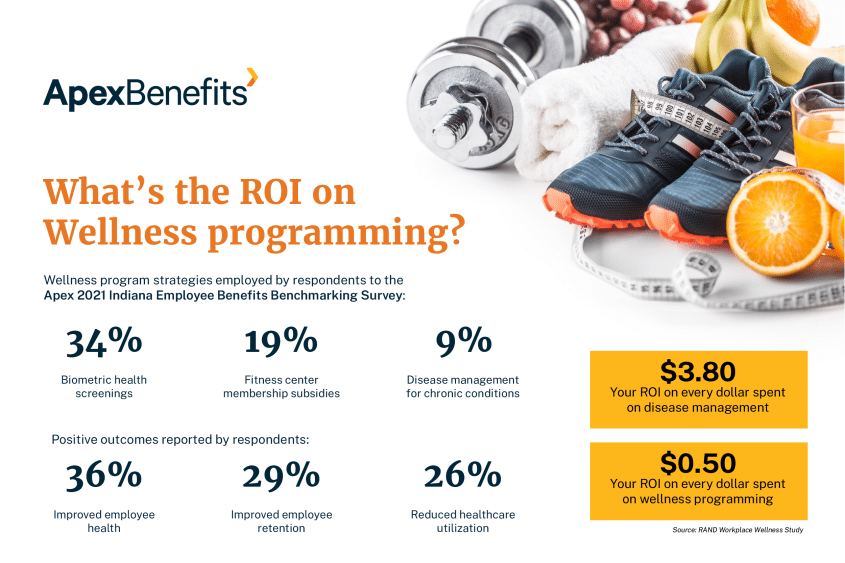
Case studies provide valuable insights into how SMEs can successfully reduce healthcare costs through wellness programs. By analyzing the strategies implemented and the outcomes achieved, we can learn from real-life examples of cost savings and improvements in employee well-being.
Case Study 1: XYZ Company
XYZ Company, a small manufacturing business, implemented a comprehensive wellness program that included regular health screenings, fitness challenges, and nutrition education for its employees. As a result, they saw a 15% decrease in healthcare costs within the first year.
- Regular Health Screenings: By offering free health screenings on-site, employees were able to detect and address health issues early, reducing the need for costly medical interventions.
- Fitness Challenges: Organizing fitness challenges encouraged employees to be more physically active, leading to fewer sick days and lower healthcare expenses.
- Nutrition Education: Providing nutrition education helped employees make healthier food choices, resulting in improved overall health and reduced healthcare costs.
Case Study 2: ABC Tech Solutions
ABC Tech Solutions, a software development company, focused on mental health and stress reduction in their wellness program. By offering mindfulness sessions, stress management workshops, and flexible work hours, they saw a 20% decrease in healthcare costs over two years.
- Mindfulness Sessions: Introducing mindfulness sessions helped employees reduce stress and improve mental well-being, leading to fewer mental health-related medical expenses.
- Stress Management Workshops: Providing stress management workshops equipped employees with tools to cope with work-related stress, resulting in a healthier workforce and reduced healthcare costs.
- Flexible Work Hours: Allowing flexible work hours enabled employees to better balance work and personal life, reducing burnout and related healthcare expenses.
Final Thoughts
The content of the concluding paragraph that provides a summary and last thoughts in an engaging manner
FAQ Explained
What are some key components of effective corporate wellness programs?
Key components include health screenings, fitness classes, mental health support, and nutritional counseling.
How can SMEs measure the ROI of their wellness programs?
SMEs can measure ROI through metrics like reduced absenteeism rates, healthcare cost savings, and employee satisfaction surveys.
Can wellness programs benefit both employees and employers?
Yes, wellness programs can improve employee health, morale, productivity, and reduce healthcare costs for employers.